
Podcast: Play in new window | Download
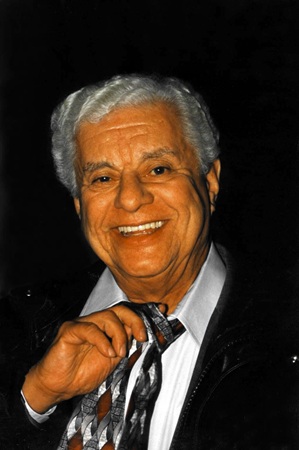
I had no clear idea who Tito Puente was until I started researching his massive hit from the 1960s, “Oye Como Va.” Just reading his Wikipedia page was quite an experience. He grew up in New York City’s Spanish Harlem and drove the neighbors crazy when he was a boy because he was constantly pounding on pots and pans, so his mother signed him up for 25-cent piano lessons. And it only got better from there as his musical talents expanded into any number of instruments. He ended up serving in the US Navy during World War II on an aircraft carrier in the Pacific. A list of his duties as noted in Wikipedia included:
playing alto saxophone and clarinet in the ship’s big band as well as occasionally drum set, piano during mess hall, acting as the ship’s bugler, and serving as a machine gunner in the battles of Leyte and Midway. (And when did he learn to operate a machine gun? Not clear.)
This wartime experience led to two great influences on his later music career: he went on a tour of Asia, traveling for several months after the end of the war, and he attended Julliard on the G.I. bill, where he studied orchestration and conducting. (His conducting teacher there was Japanese, thus cementing those Asian influences from his travels.) From there he went on to a rich and varied career in music, becoming especially known for his playing of the timbales, a type of shallow metal drum. Because Puente was such an active and engaging performer he was usually put at the front of bands so that people could see the show he put on. (I can’t resist pointing out here that a timbale resembles an overturned flat-bottomed stew pot.) Eventually he started his own band and was a mainstay at the Palladium Ballroom during the 1950s and 60s. If you want to get more info about this remarkable man, follow this link below to his Wikipedia page.1 I, however, had better get on to the ostensible subject of this post, “Oye Como Va.”